

Noli Me Tángere 1961 movie: a cinematic awakening of the Filipino soul

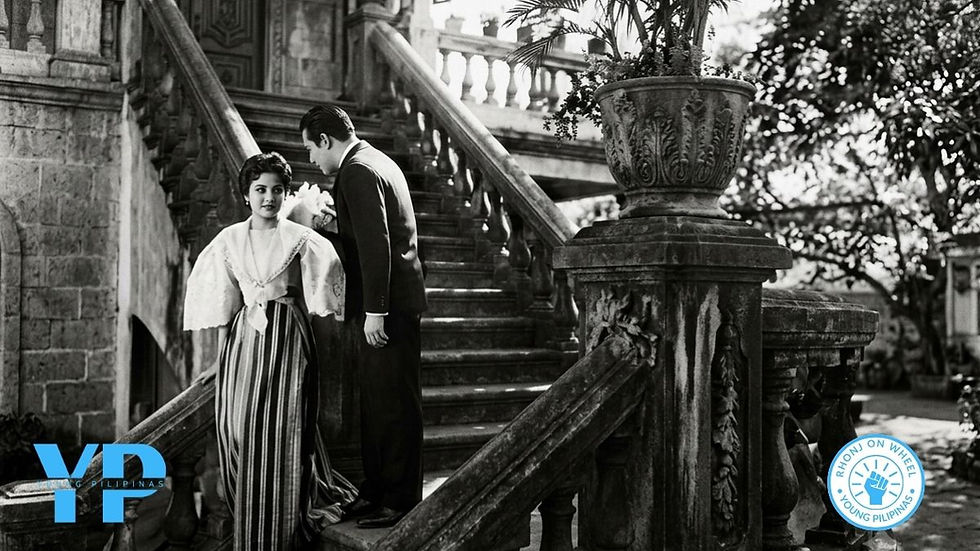
Classic Filipino drama films stand as timeless reflections of the nation’s soul, portraying stories of love, hardship, and sacrifice that define the Filipino experience. Through heartfelt performances and compelling narratives, these masterpieces capture the enduring spirit, moral values, and emotional depth that continue to shape Philippine cinema.
One remarkable example is Noli Me Tángere, a powerful adaptation of Dr. José Rizal’s novel that exposes social injustices, awakens national consciousness, and mirrors the Filipinos’ struggle for dignity and freedom.
Directed by National Artist Gerardo de León, Noli Me Tángere (1961) masterfully brings to life Dr. José Rizal’s revolutionary novel, a story that shook the foundations of colonial power and awakened the Filipino spirit. More than a historical film, it serves as a mirror to the nation’s soul, reflecting both the pain of oppression and the unyielding hope for liberation. Decades later, its message still reverberates, reminding Filipinos that true awakening begins with awareness, courage, and love for the motherland.
1. A film based on description of patriotism of Noli Me Tángere
Noli Me Tángere is not just a faithful adaptation of Rizal’s work; it is a cinematic declaration of love for the nation. Every scene breathes life into Rizal’s plea for reform and justice, capturing the collective longing of Filipinos under Spanish rule. The film stands as a patriotic masterpiece that transcends time, reminding viewers that nationalism is not merely about pride but about the responsibility to confront corruption, defend truth, and uplift fellow citizens. Through its emotional storytelling, it rekindles the flame of patriotism that continues to define the Filipino identity.
2. Exposing the shadows of society
The film courageously exposes the deep-rooted injustices of the colonial system, from the hypocrisy of friars and the greed of the elite to the silent suffering of the poor. It unmasks the social cancer that Rizal once described, showing how oppression thrives when truth is silenced. Even in today’s modern Philippines, these shadows remain: corruption, inequality, and abuse of power still haunt the nation. Noli Me Tángere (1961) thus becomes more than a historical reminder; it is a call to action for every Filipino to confront the same injustices that persist in new forms.
3. The power of education and enlightenment
Through Crisostomo Ibarra, Rizal’s idealistic reformist, the film underscores the belief that education is the key to freedom. Ibarra’s vision of a school for the youth symbolizes hope, the idea that an enlightened mind can break the chains of ignorance and tyranny. In today’s world, where misinformation and division threaten unity, this message remains vital. Noli Me Tángere teaches that progress begins not with weapons, but with wisdom, and that enlightenment is the most powerful revolution of all.
4. The book has timeless characters, timeless lessons
Each character in Noli Me Tángere (1961) reflects the moral and emotional fabric of Filipino society. María Clara represents purity and the sacrifices demanded of women; Sisa embodies the suffering of the oppressed; while Padre Dámaso personifies hypocrisy within power. Their struggles mirror the timeless battle between good and evil, morality and corruption, compassion and cruelty. These portrayals remind us that the story’s lessons remain as relevant now as they were in Rizal’s time: our choices still shape the destiny of our nation.
5. Awakening the modern Filipino soul
Even after six decades, Noli Me Tángere (1961) continues to awaken national consciousness. It compels Filipinos to ask difficult questions: Have we truly learned from our past? Are we still fighting the same injustices that Rizal condemned? The film invites reflection on how complacency and indifference can be as dangerous as oppression itself. By revisiting this classic, we are reminded that the fight for justice, equality, and moral integrity is not over; it is a struggle that every generation must continue.
Noli Me Tángere (1961) stands as one of the most profound cinematic tributes to Filipino identity and heroism. It is a film that not only narrates our nation’s history but revives its soul, echoing Rizal’s undying message that true freedom lies in the awakening of the mind and the unity of the people. As long as its story is remembered, the spirit of the Filipino will never be silenced.


Comments